Source Sapphire Glass Mini Nephroscope for Urology, Anorectal, Children
Compare 28 sapphire glass mini nephroscope options from verified Chinese manufacturers. These reusable instruments feature LCD displays, varying viewing angles, and stainless steel construction for urological and anorectal procedures; compare the available evidence and request quotations based on your requirements.
Key considerations
Products List
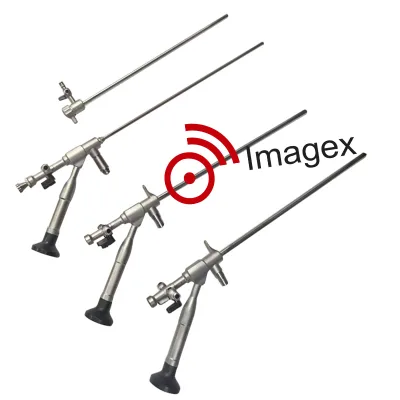
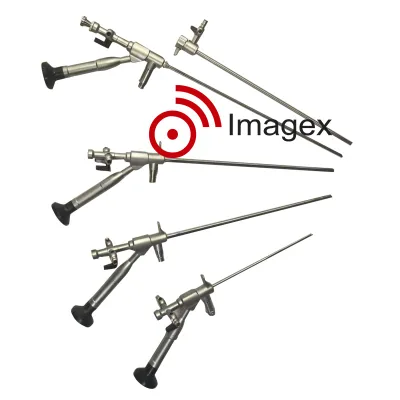
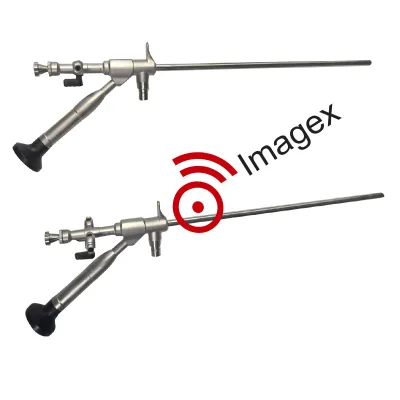
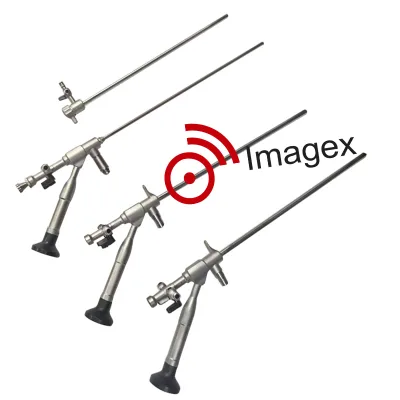
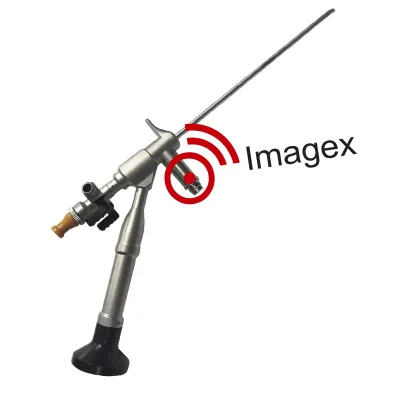




Comprehensive Sourcing Guide
Sapphire Glass Mini Nephroscope Sourcing Guide
Procuring a sapphire glass mini nephroscope requires a nuanced understanding of both the optical components and the rigid instrument structure. These devices are critical for urological procedures, specifically in nephroscopy and cystoscopy, where visual clarity and durability are paramount. The core keyword highlights the lens material, which offers superior scratch resistance and light transmission compared to traditional glass or plastic alternatives. Buyers must recognize that "mini" refers to the outer diameter, typically ranging from 8.5 to 18 French, allowing for minimally invasive access to the renal pelvis and ureter.
The market for these instruments is dominated by manufacturers in Jiangsu and Nanchang, China, who produce both semi-rigid and rigid digital video nephroscopes. These units often feature stainless steel bodies with sapphire glass lenses, designed for reuse after sterilization. The distinction between digital and optical scopes is vital; digital models integrate CCD or CMOS sensors, providing video output via LCD screens or external monitors, while optical scopes rely on direct visualization. Understanding this technological divide helps buyers align their procurement with their hospital’s existing infrastructure and surgical workflows.
Product Scope and Observed Listing Signals
Current market listings reveal a diverse range of nephroscopes, with observed prices spanning from approximately $8.86 to $35,500 USD. This wide variance reflects differences in technology, such as the inclusion of digital video systems versus simple optical fibers, and the complexity of the working channel. Minimum order quantities (MOQ) are generally low, ranging from 1 to 112 units, indicating that suppliers cater to both individual hospital purchases and larger distributor orders. Buyers should note that the term "sapphire glass" is often associated with higher-end models, particularly those emphasizing durability and long-term optical performance in high-volume surgical centers.
Product names in listings frequently include terms like "Semi Rigid Digital Video Nephroscope" or "Rigid Digital Miniature Nephroscope," with specific model numbers such as PT-L200A, SS89564.401, and 9809.8061. These identifiers are crucial for precise reordering and compatibility checks. The observed specifications include outer diameters of 12fr and 18fr, with working lengths around 250mm. Some models feature a field of view of 80 to 84 degrees, while others offer a 12-degree viewing angle, depending on the lens configuration. Buyers must carefully match these physical dimensions to their preferred surgical instruments and patient anatomies to ensure procedural efficacy.
Technical Specifications to Verify
The lens material is a primary technical differentiator, with sapphire glass offering exceptional hardness and clarity. Buyers should verify the exact lens composition, as some listings may use generic terms while specifying sapphire in the fine print. The outer diameter, often listed as 8.5fr or 12fr, determines the scope’s invasiveness and the size of the access sheath required. Additionally, the working channel size, such as 6.3fr, is critical for the passage of biopsy forceps, laser fibers, or stone retrieval baskets. A mismatch in channel size can limit the surgeon’s ability to perform complex interventions during the procedure.
Digital nephroscopes require verification of their power supply and display capabilities. Observed models may feature DC 1.6V power sources with 2900mAh batteries, or external trigger sensors requiring DC12V. The presence of an LCD screen on the handle or the need for an external monitor is a key decision point. Furthermore, the field of view, typically 80 to 84 degrees, impacts the surgeon’s situational awareness within the kidney. Buyers should also check the strobing accuracy and triggering frequency, which can range from 50 to 12,000 R/Min, ensuring compatibility with any associated imaging or recording systems in the operating room.
Compliance and Safety Documentation
Regulatory compliance is non-negotiable for medical devices, particularly those classified as Class II instruments. Buyers must ensure that the supplier provides valid ISO certifications, such as ISO 13485 for quality management systems, and CE marking for European market access. The observed listings mention "ISOCE" certification, which likely refers to these combined standards. It is essential to request copies of the certificates and verify their validity with the issuing bodies. Without proper documentation, the instruments cannot be legally imported or used in many jurisdictions, exposing the hospital to significant legal and operational risks.
Safety features and sterilization compatibility are also critical compliance aspects. The instruments are typically made of stainless steel and sapphire glass, materials that can withstand high-temperature autoclaving. Buyers should confirm the recommended sterilization protocols with the manufacturer to prevent damage to the lens or electronic components. Additionally, the warranty period, often listed as one year, and the after-sale service policy, including free spare parts, provide a safety net for procurement. Understanding the shelf life, which may be one year for certain components, ensures that inventory is managed effectively to avoid using degraded products.
Cost Drivers and Commercial Terms
The cost of a sapphire glass mini nephroscope is influenced by several factors, including the integration of digital video technology, the quality of the sapphire lens, and the complexity of the working channel. Digital models with integrated LCD screens and high-resolution sensors command higher prices than basic optical scopes. The observed price range of $8.86 to $35,500 USD reflects this disparity, with the lower end likely representing simple optical fibers or accessories, and the higher end representing complete digital video systems. Buyers should budget for the total cost of ownership, including maintenance, spare parts, and potential upgrades.
Commercial terms such as MOQ, packaging, and lead times vary significantly among suppliers. Observed MOQs range from 1 to 112 units, allowing for flexible purchasing based on hospital needs. Packaging is typically standard export cartons or wooden cases, designed to protect the delicate optical components during transit. Buyers should negotiate clear terms regarding shipping responsibilities, insurance, and return policies. Additionally, the availability of customization options, such as specific lengths or channel sizes, may incur additional costs. Understanding these commercial variables helps in creating a realistic procurement budget and avoiding unexpected expenses.
Supplier Qualification and Quality Control
Selecting a reliable supplier is crucial for ensuring the longevity and performance of the nephroscope. Buyers should prioritize manufacturers with a proven track record in urological instruments, particularly those located in Jiangsu or Nanchang, China, which are known hubs for medical device production. Verification of the supplier’s manufacturing capabilities, including quality control processes and testing procedures, is essential. Requesting samples for initial evaluation allows buyers to assess the build quality, optical clarity, and ergonomic design of the instrument before committing to a larger order.
Quality control should extend to the post-sale support and warranty services. Suppliers offering free spare parts and a one-year warranty demonstrate confidence in their product’s durability. Buyers should inquire about the availability of technical support and training for surgical staff. Additionally, checking the supplier’s reputation through industry references or online reviews can provide insights into their reliability and responsiveness. Ensuring that the supplier adheres to international quality standards and provides comprehensive documentation is vital for maintaining patient safety and operational efficiency in the urology department.
Long-Term Procurement Checks
Long-term procurement success depends on establishing a sustainable supply chain and maintaining consistent quality. Buyers should implement a regular review process to assess the performance of the nephroscopes in clinical settings. Feedback from surgeons regarding image quality, ease of use, and durability should be collected and used to inform future purchasing decisions. Additionally, monitoring the supplier’s ability to provide timely replacements and spare parts is crucial for minimizing downtime in the operating room. A proactive approach to inventory management, considering the shelf life and usage rates, ensures that the hospital always has functional instruments available.
Continuous engagement with the supplier for product updates and technological advancements can also enhance procurement outcomes. As digital imaging technology evolves, newer models may offer improved resolution, better ergonomics, or enhanced connectivity features. Buyers should stay informed about these developments to make informed decisions about upgrades or replacements. Furthermore, maintaining open communication with the supplier regarding any issues or concerns fosters a collaborative relationship that can lead to better service and support. By focusing on long-term partnerships rather than transactional purchases, hospitals can optimize their urological instrument procurement strategy.
FAQs
What is the lens material of the mini nephroscope?
The lens material is sapphire glass, ensuring high durability and optical clarity during urological procedures. This rigid digital instrument features a viewing angle of 12 degrees and is designed for semi-rigid applications in urinary surgery.
Which specifications define the working channel size?
The working channel size is 6.3fr, allowing for effective instrument passage during endoscopic camera operations. The outer diameter measures 12fr, and the working length is 250mm, suitable for various anorectal and urology applications.
Can the product be customized for specific needs?
Yes, customization is available for this nephroscopy instrument to meet specific surgical requirements. The product is made of stainless steel and comes with a one-year warranty, ensuring reliability for medical professionals in urology departments.
How long is the shelf life of the device?
The shelf life is one year, requiring careful storage and usage planning for medical facilities. This rigid digital miniature nephroscope is classified as a Class II instrument and includes free spare parts for after-sale service support.
What is the power supply requirement for operation?
The power supply requirement is DC 1.6V with a 2900mAh battery capacity for portable use. Some models may include an LCD screen, while others operate without one, depending on the specific model configuration selected for purchase.
Which certifications does the manufacturer hold?
The manufacturer holds ISOCE certification, indicating compliance with international quality standards for medical devices. This ensures the sapphire glass mini nephroscope meets necessary safety and performance criteria for use in clinical environments across different regions.
What is the field of view for the instrument?
The field of view is 84 degrees, providing a wide perspective for detailed internal examinations. This feature is critical for accurate diagnosis and treatment in urology, ensuring surgeons have sufficient visibility during complex procedures involving the urinary tract.